
The Allure of Casino Gambling
Casino gambling has long been a source of fascination for many. The glimmer of slot machines, the sound of shuffling cards, and the thrill of the table games create a unique environment that captivates players. This allure can be partly attributed to the psychological aspects of reward systems and the excitement of risk-taking. Players often seek the adrenaline rush that comes with the possibility of winning, which can lead to a deeply ingrained habit, especially when it comes to bitcoin casinos.
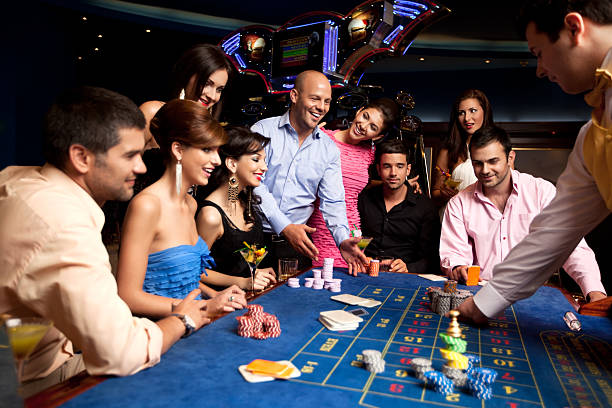
This desire for excitement is further fueled by the social aspects of gambling. Many individuals are drawn to casinos not only for the chance to win money but also for the social experiences they provide. The collective energy of excitement among others can significantly enhance the enjoyment, making gambling feel like a communal event rather than a solitary activity.
The Role of Cognitive Biases
Cognitive biases play a crucial role in shaping gambling behaviors. One prominent bias is the illusion of control, where gamblers believe they can influence the outcome of games that are inherently random. This misconception can lead to continued play, as individuals overestimate their ability to predict or control results, which feeds into their gambling habits.
Another common bias is the gambler’s fallacy, where individuals believe that past outcomes impact future results. For instance, a player might think that a slot machine is “due” for a payout after a series of losses. This line of thinking can easily trap players in a cycle of gambling, as they chase their losses with the hope of an imminent win.
The Influence of Emotional States
Emotions significantly affect gambling behaviors. Many individuals turn to gambling as a form of escapism, seeking relief from stress or emotional pain. The temporary distraction provided by gambling can be appealing, as it offers a break from reality. Unfortunately, this coping mechanism can lead to a cycle of excessive gambling, as individuals may continue seeking that emotional high.
Furthermore, the euphoric feeling that accompanies winning can reinforce gambling habits. This emotional high can create a positive feedback loop, where the thrill of winning promotes further play, even when losses occur. Over time, this can lead to a problematic relationship with gambling, as players may find it increasingly challenging to resist the urge to gamble.
Psychological Effects of Big Wins and Losses
Experiencing significant wins can alter a gambler’s psychology, often leading to unrealistic expectations about future gambling experiences. Players may begin to believe that winning is more common than it truly is, causing them to gamble more frequently and more extensively. Conversely, substantial losses can also lead to emotional turmoil, prompting individuals to gamble again in an attempt to recoup their losses, which is a detrimental cycle.
This psychological impact underscores the importance of understanding one’s gambling motivations and establishing boundaries. Without a clear understanding of personal habits and emotions, it becomes easy to fall into a spiral of compulsive gambling, where the player’s emotional state drives the decision to gamble, rather than logical reasoning.

Security and Safe Gambling Practices
As gambling continues to evolve, understanding the psychological aspects behind gambling habits is essential for promoting responsible gaming. Many online platforms prioritize security, offering tools and resources to help users manage their gambling behavior effectively. This awareness is crucial in fostering a safe and enjoyable experience for all players.
In addition, platforms that emphasize safe gambling provide educational materials, highlighting the risks associated with gambling and encouraging self-regulation. By creating a secure environment and equipping users with the knowledge they need, these sites aim to minimize the potential negative effects of gambling habits and promote healthier play.